Tantallon Castle
Location: North Berwick, EH39 5PN
Status: Open to the public through Historic Environment Scotland
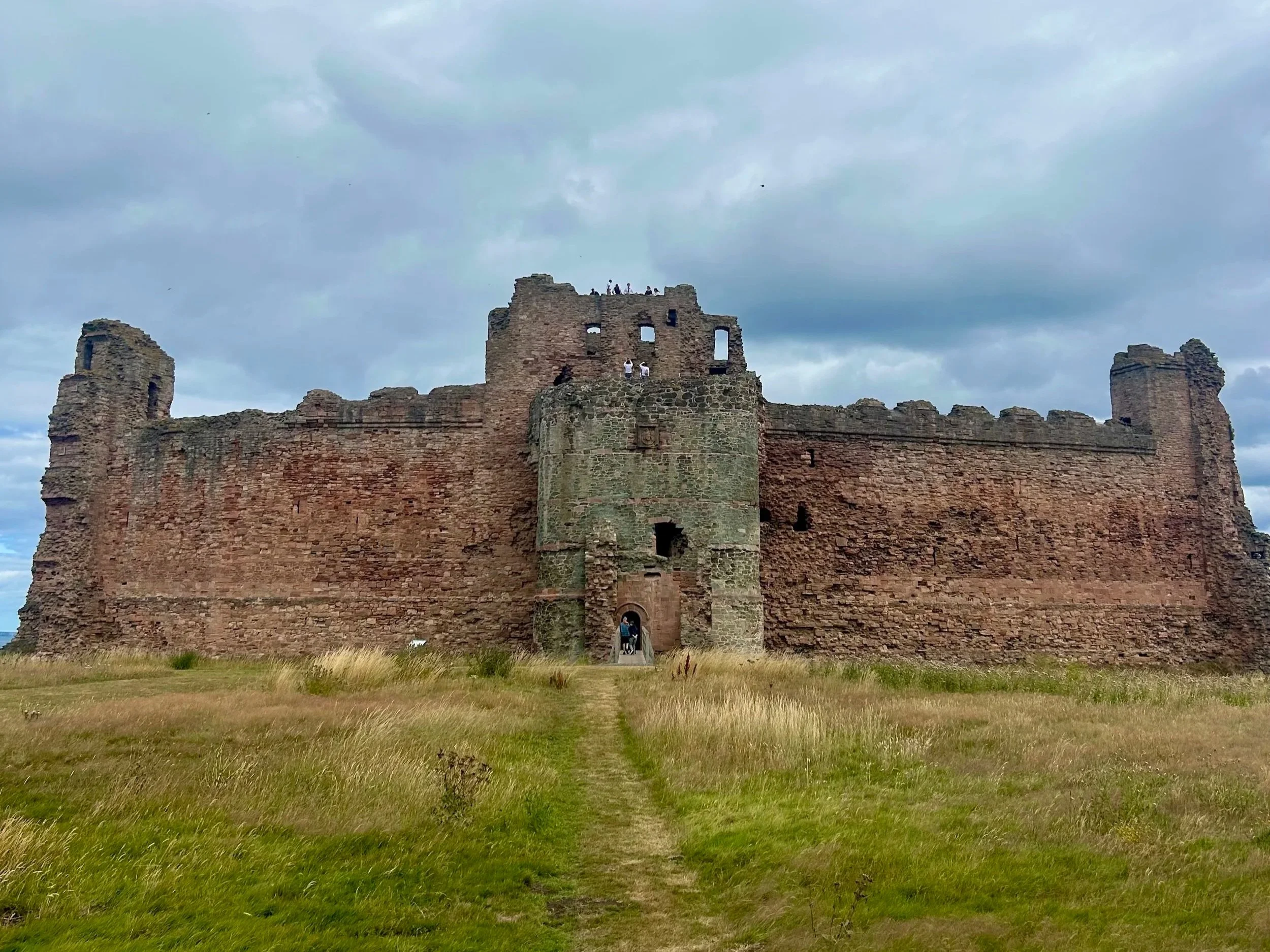
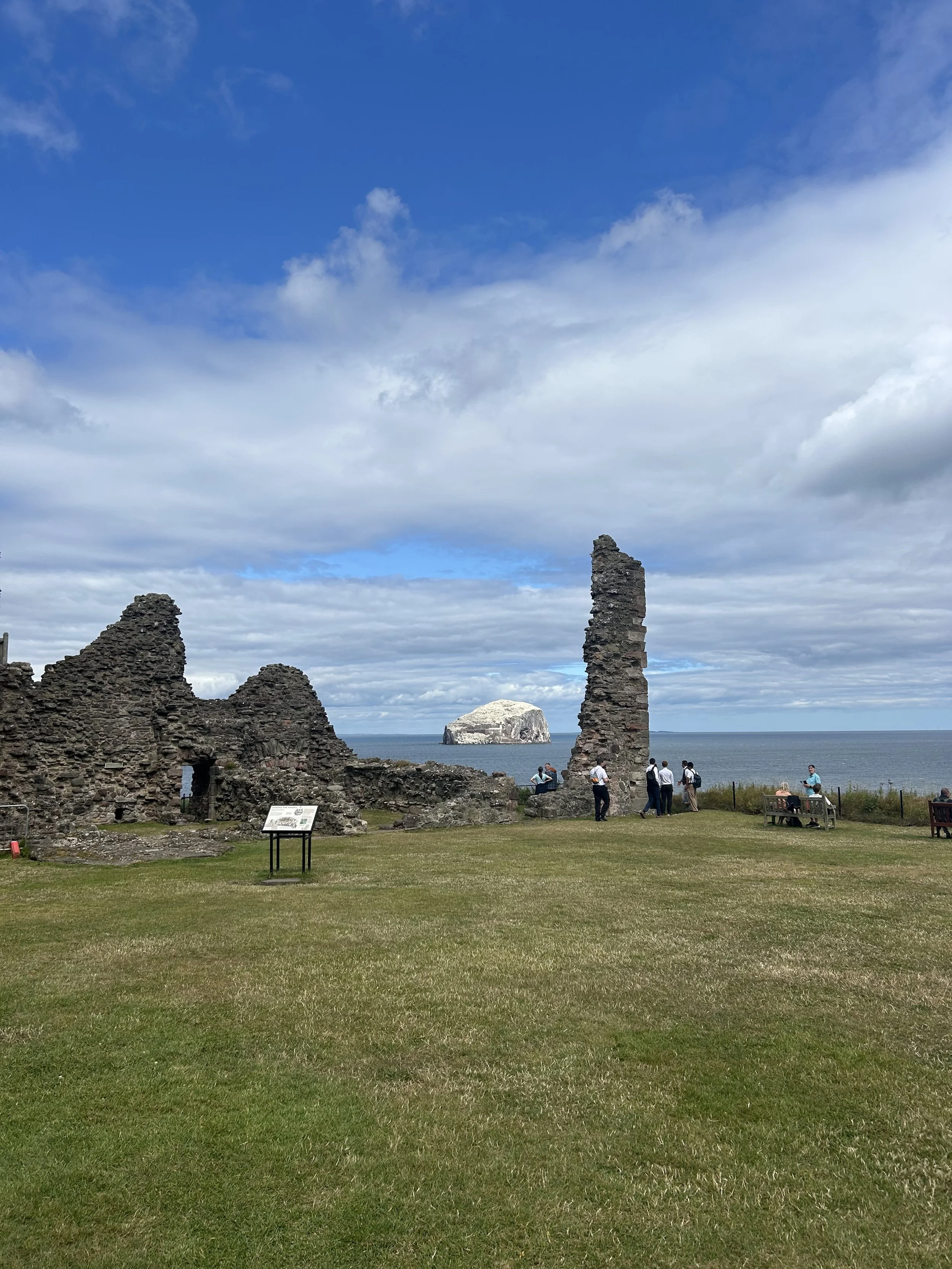
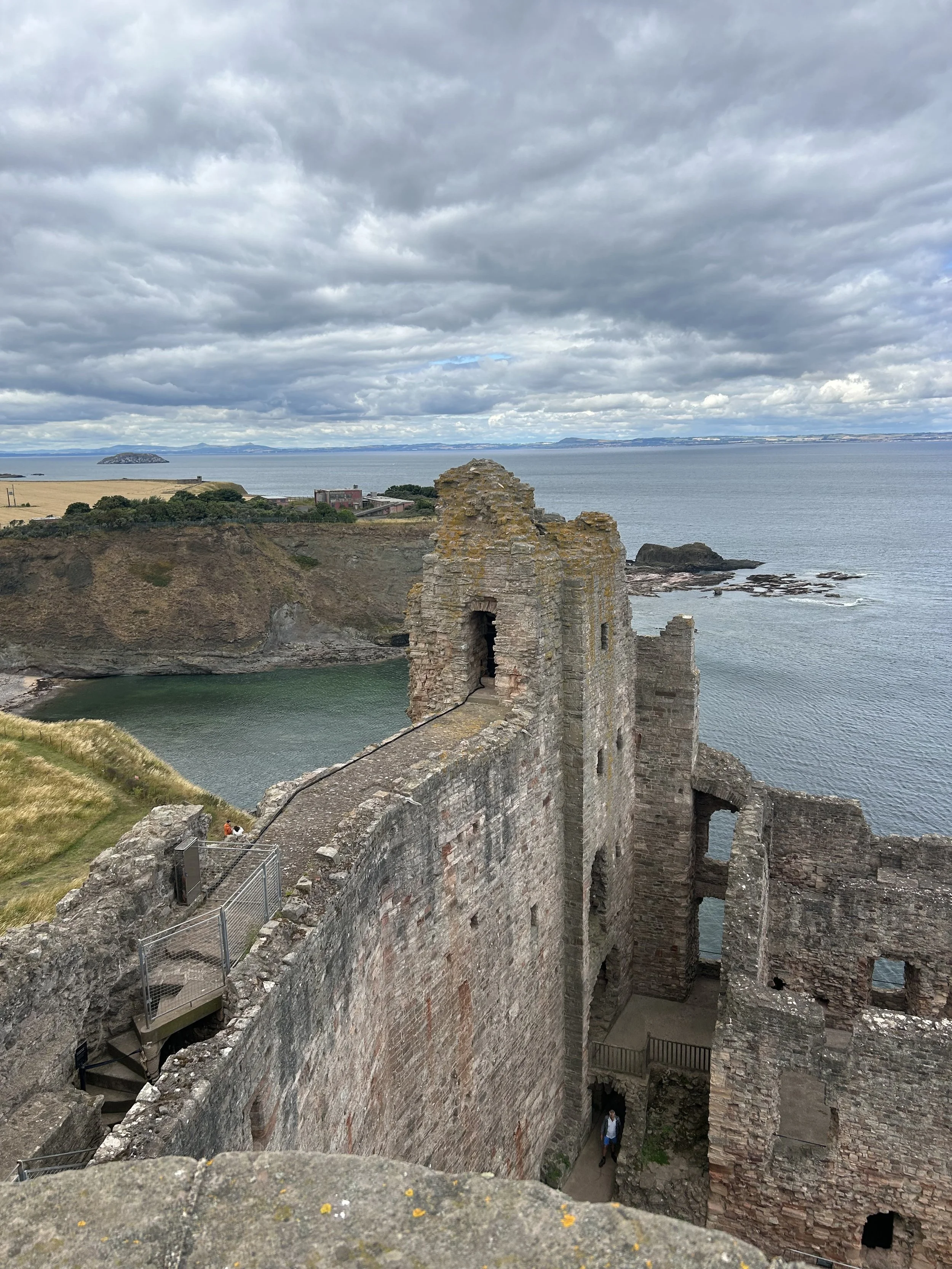
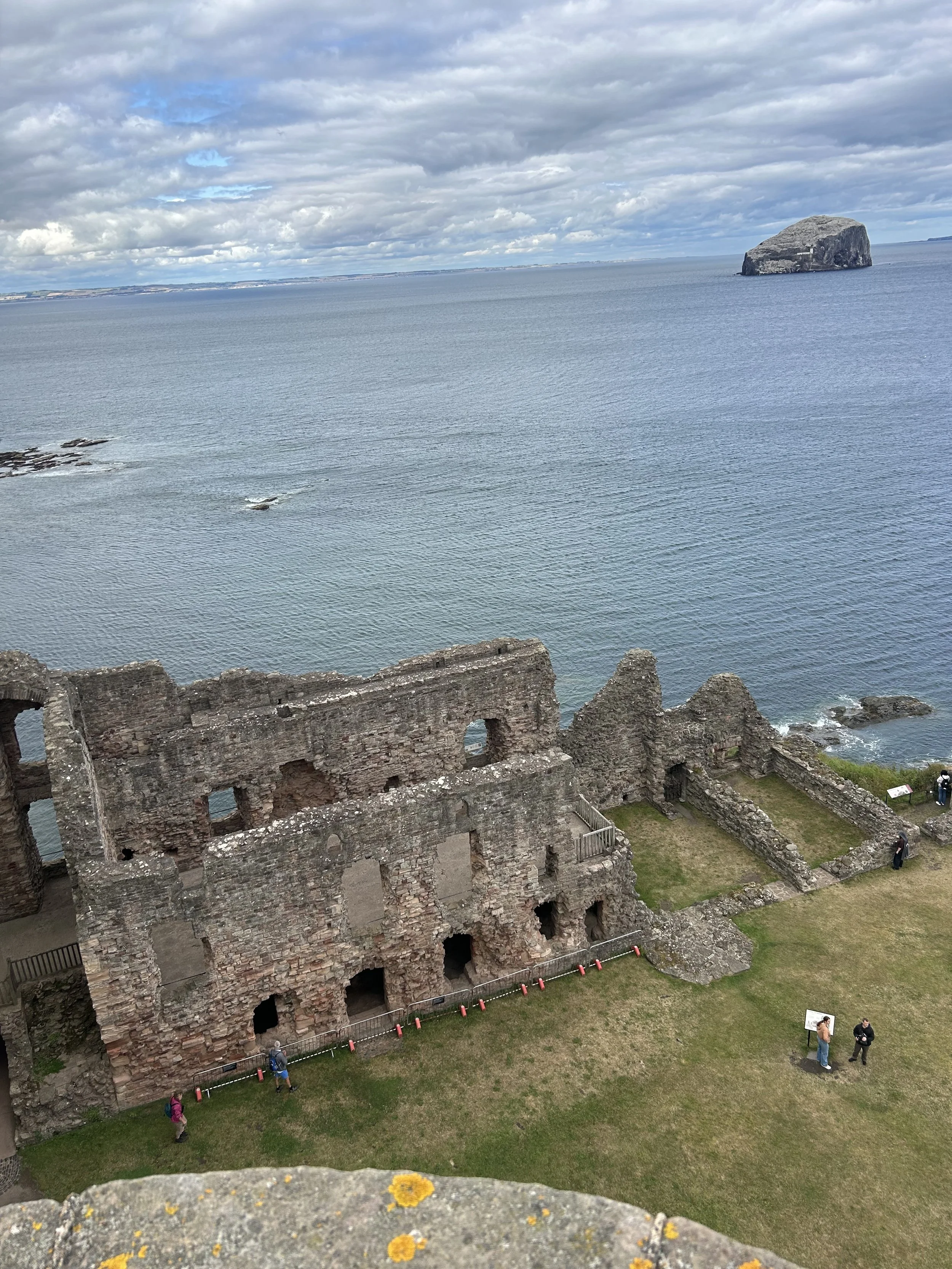
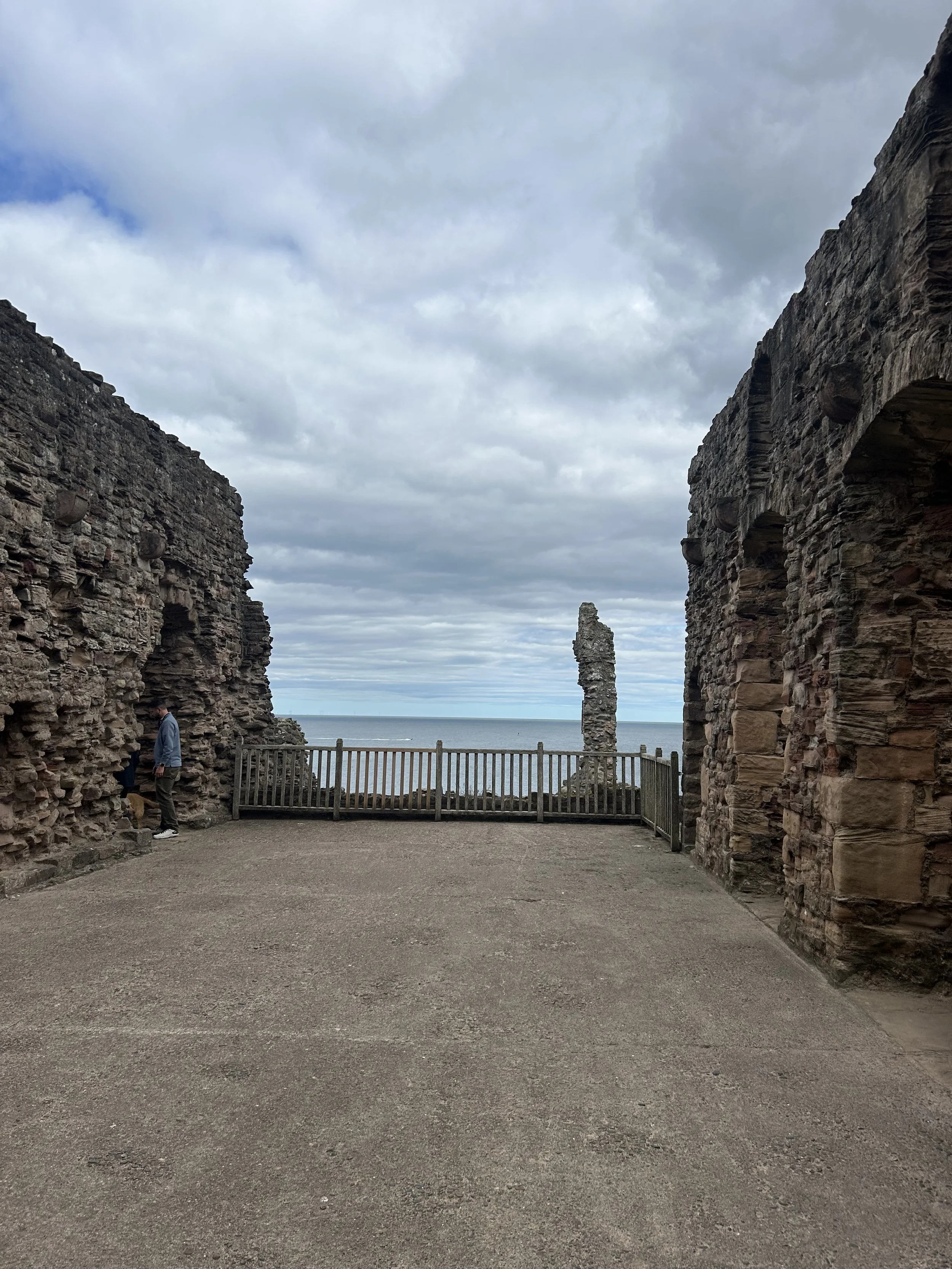
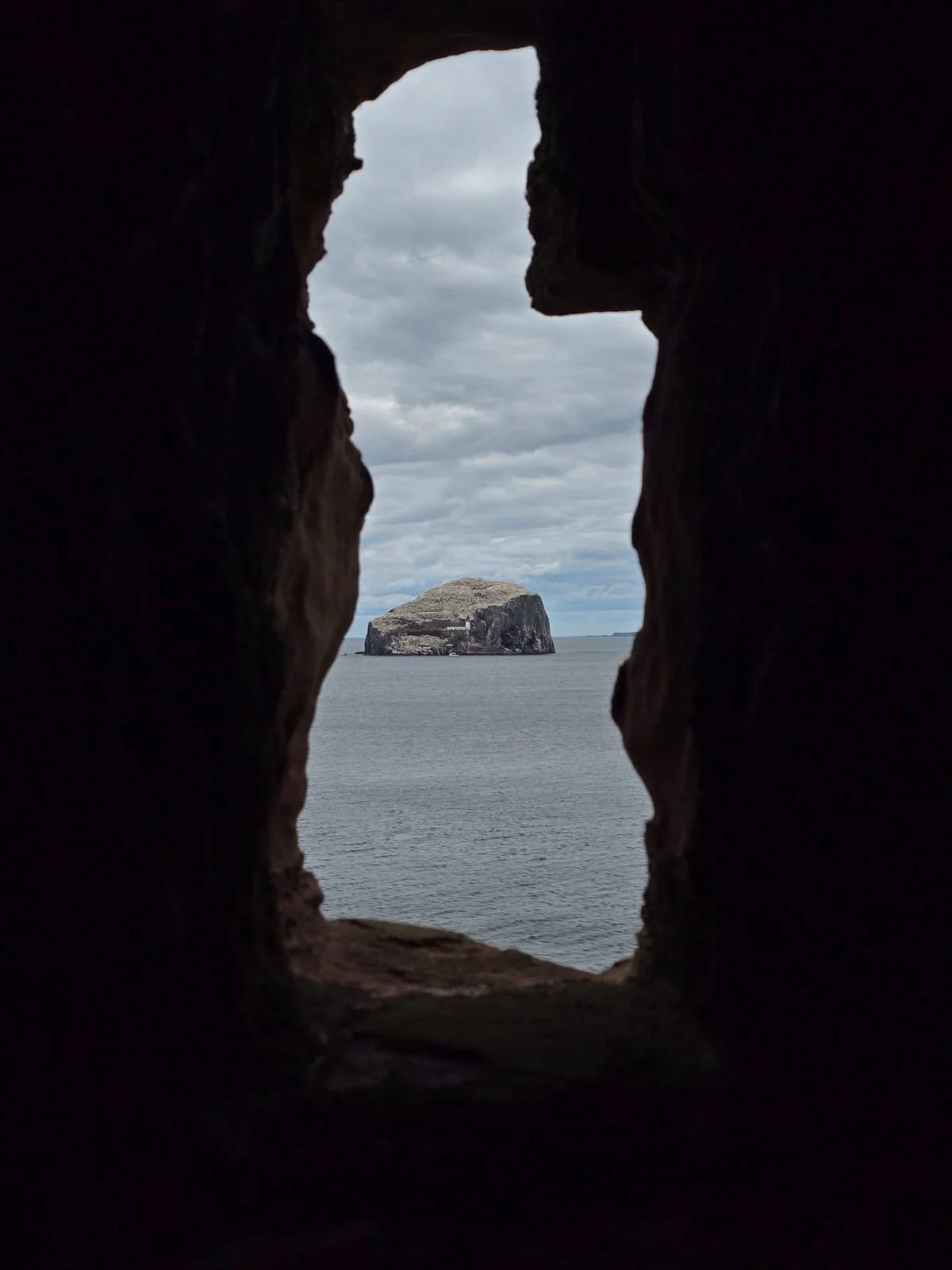
Tantallon Castle is a ruined 14th century fortress on the coastline of North Berwick, East Lothian, Scotland. Most of what remains is a single wall facing inland, with its other three sides in a more ruinous condition facing towards the Firth of Forth, and opposite the Bass Rock. Sitting atop steep sea cliffs which act as a natural defence, it is one of Scotland’s most impressive fortresses, and is considered one of the best examples of 14th century castle architecture in Scotland.
These steep sea cliffs make Tantallon a rather unusual looking castle, as their steepness served as the castle’s defensive protection, meaning the sea-facing sides only comprised of small walls that are largely ruined today.
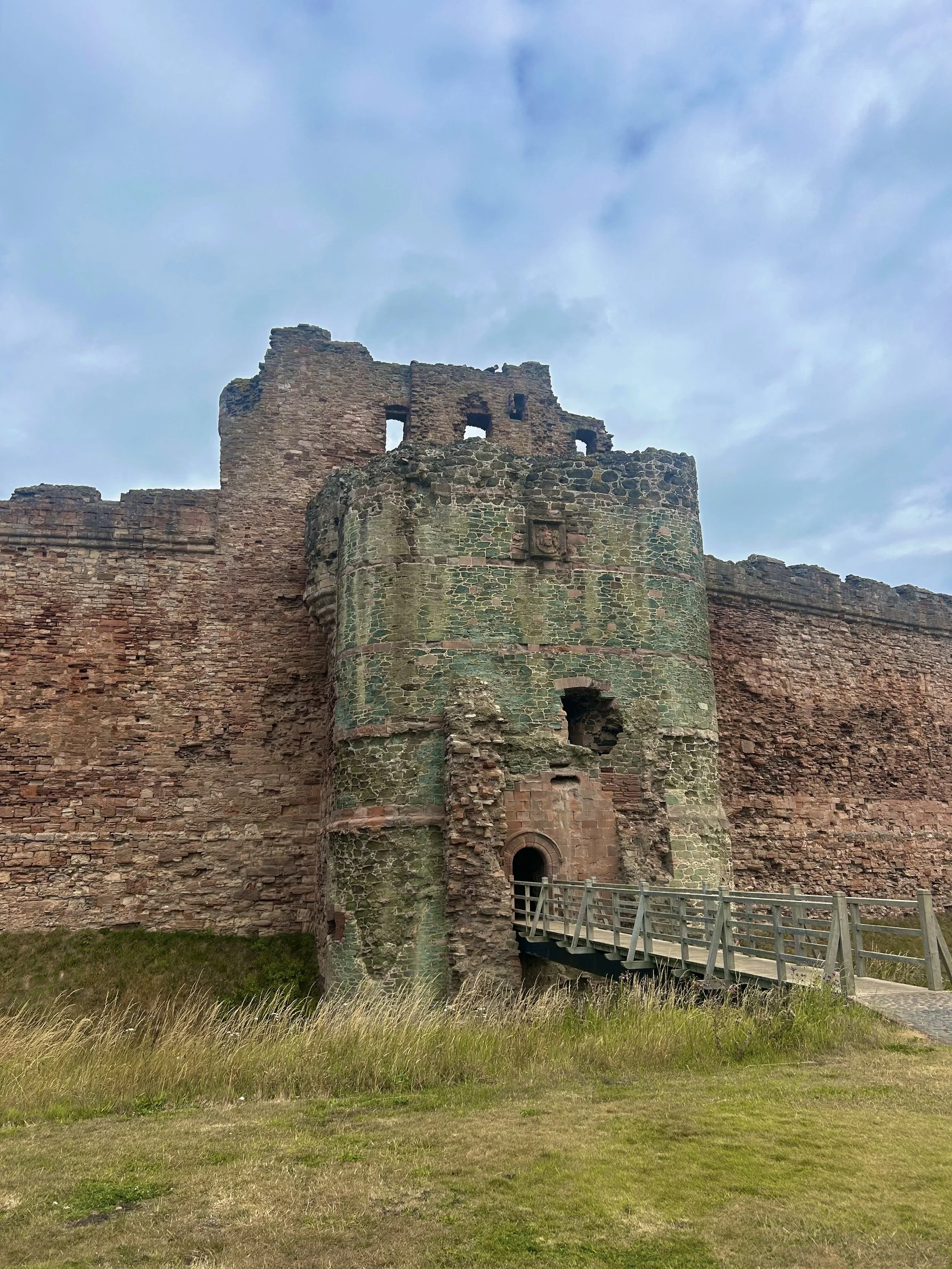
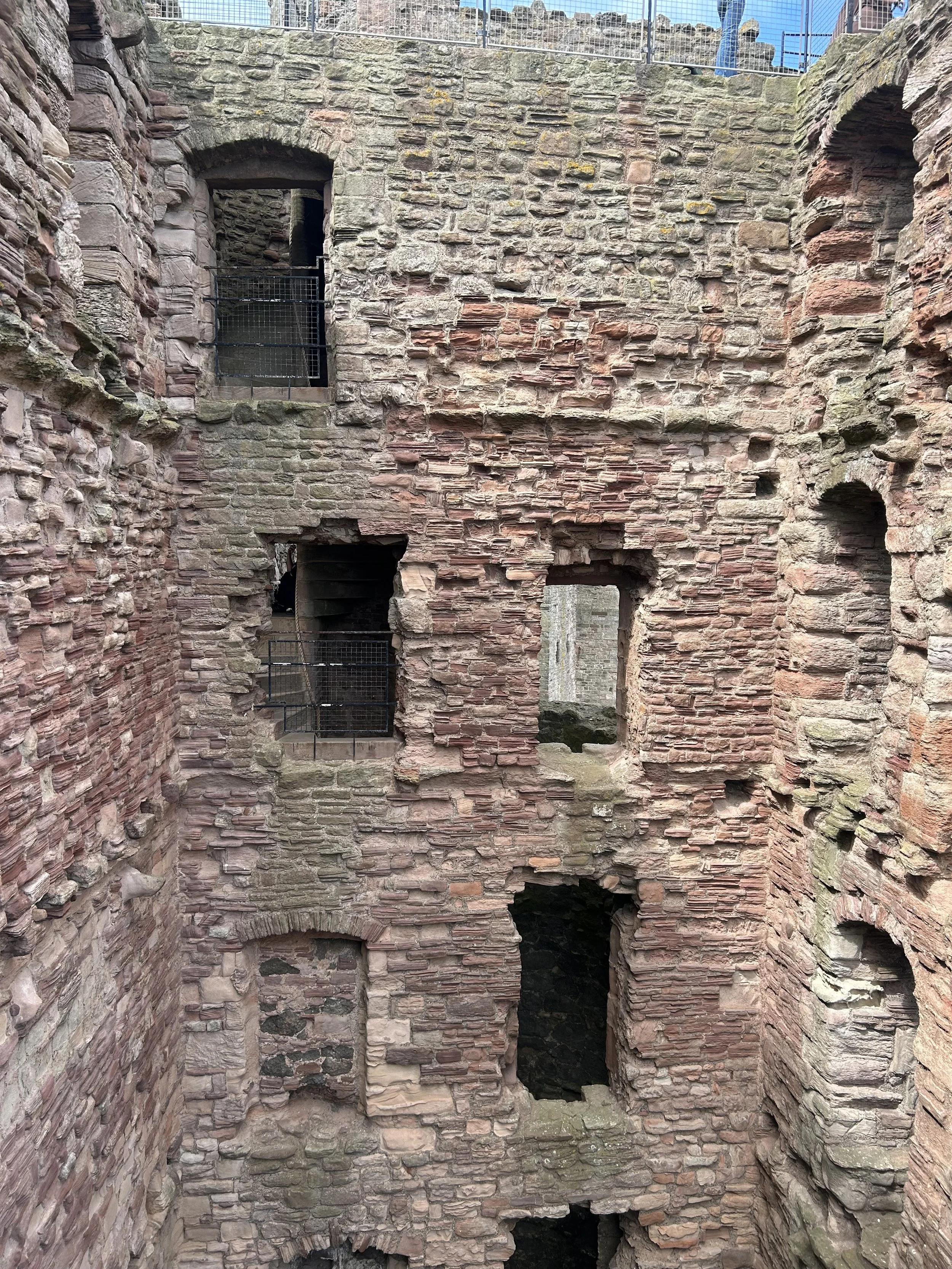
The curtain wall is the castle’s largest manmade defence, being over 15 metres high and 90 metres long. It contains some chambers within, which are mostly blocked off now, and has ruined towers to each side. Interestingly, the castle’s barbican at the front of the entrance is a green coloured stone, which contrasts the rest of the castle’s red appearance from the red sandstone predominantly used. This is because it was built later in 1528 using green basalt from the surrounding Garleton hills volcanic formation. Much of this part of the castle is in ruin, like the Douglas Tower to the northwest, previously seven storeys high.
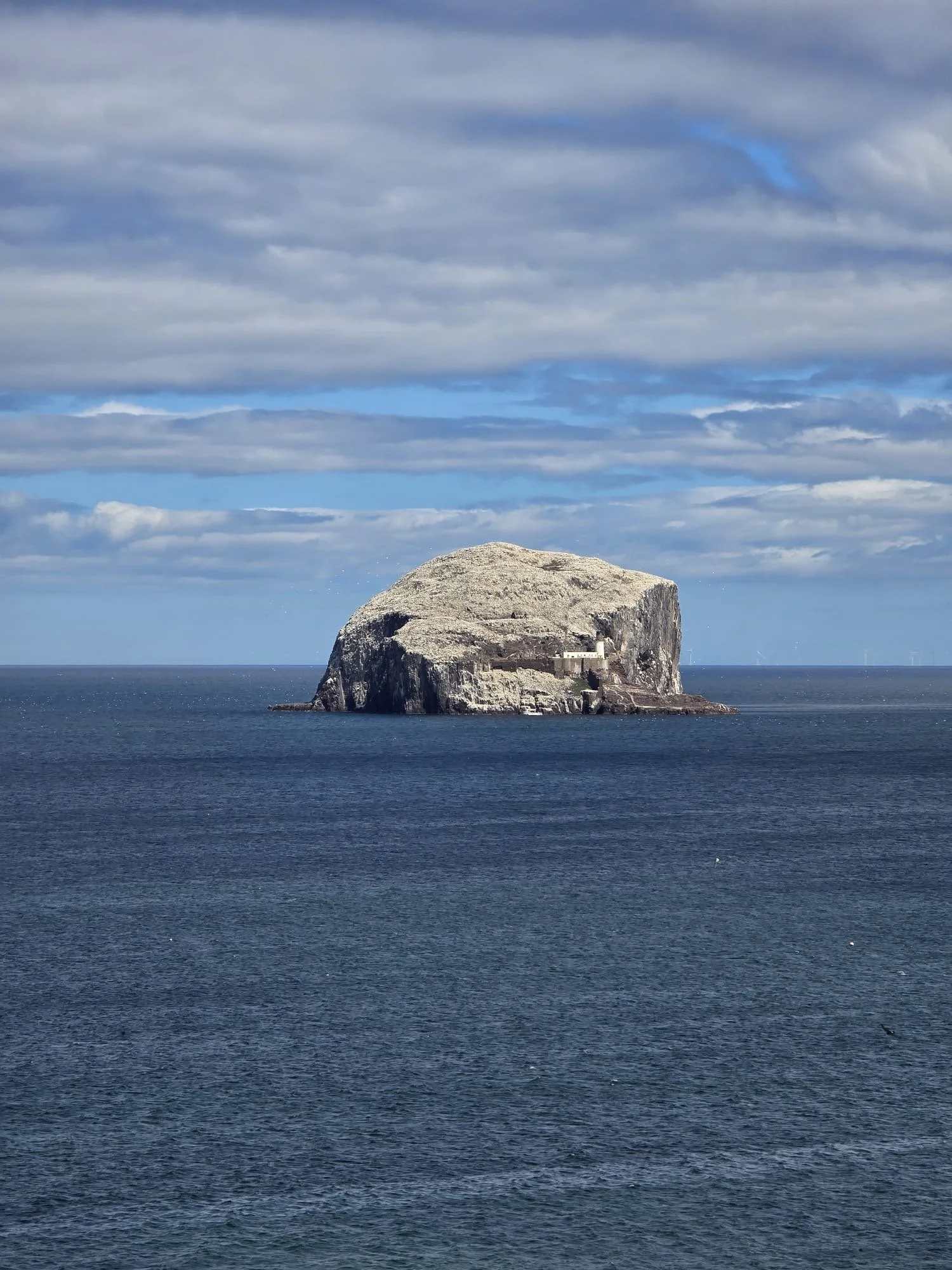
Bird lovers may enjoy Tantallon Castle for a few reasons. In the outer court sits a 17th century doocot, the only building that remains in that area of the castle. Behind the doocot, in the distance, sits the Bass Rock in the Firth of Forth river. The island is home to a very large colony of gannets, who’s white feathers dominate the entire rock, and who can be seen flying around the top of the rock from a pair of binoculars or a zoomed in camera. The remains of the great hall in the inner court are host to many bird nests of western house martins, and wanderers are welcome to admire the chicks from a safe distance.
The castle was first mentioned in records in 1374, and is known to have belonged to William, first Earl of Douglas. He was the nephew of Sir James Douglas, the chief commander in the first Wars of Scottish Independence, and companion of Robert the Bruce. The grand Tantallon Castle symbolised the wealth and power of the mighty Douglas family. After William’s death in 1384, it passed to his illegitimate son, George, first Earl of Angus. George Douglas became the forebear of the Red Douglases, who split from the Black Douglases, led by Archibald the Grim - the illegitimate son of Sir James Douglas. George Douglas married Princess Mary Stewart in 1397, and from that point, the Red Douglases were allied with the Royal House of Stewart.
However, this alliance came to an end in 1490 when Archibald Douglas, 5th Earl of Angus, conspired against James IV by making an agreement with Henry VII of England. James IV in turn besieged Tantallon Castle in 1491. The king struggled to take the castle, but the earl ultimately submitted to the king. The castle was not excessively damaged, and the king and the rebellious Douglases were moderately reconciled.
Archibald Douglas, 6th Earl of Angus, married James IV’s widow, Margaret Tudor, in 1514. She was mother to James IV’s son, James V, and acting as Regent of Scotland before her son came of age. Douglas was an overbearing “guardian” to the young James V for many years, until finally, in 1528, the seventeen-year-old king escaped his grasp and escaped.
James later returned with royal cannon. Yet again, a Stewart king laid siege to Tantallon Castle, and yet again, the castle withstood the bombardment. The siege was abandoned after twenty days. However, in May 1529, Douglas retreated to England, and James V finally captured the castle. He strengthened it and made it a royal fortress until his death in 1542, whereafter Douglas returned and retook the castle.
The Douglases remained Catholic after the Scottish Reformation, which angered the Presbyterian Covenanters. The castle saw further violence when, in 1639, the Covenanters captured Tantallon in retaliation to their religious defiance.
By 1650, Oliver Cromwell had invaded southern Scotland. A group of Royalists were occupying Tantallon Castle, so in 1651, Cromwell sent General Monck out with 2000 men to besiege the castle. After 12 days, the Parliamentarians successfully stormed the castle through a breached tower, and captured it. The castle had suffered extensive damage, and was not repaired afterwards.
The castle remains in this ruinous condition today. It is now in the care of Historic Environment Scotland, and is a popular site for visitors all year round for its impressive build, long history, and incredible views of the surrounding landscape.
References
Pettifer, Adrian. Scottish Castles. The Boydell Press, 2024.
