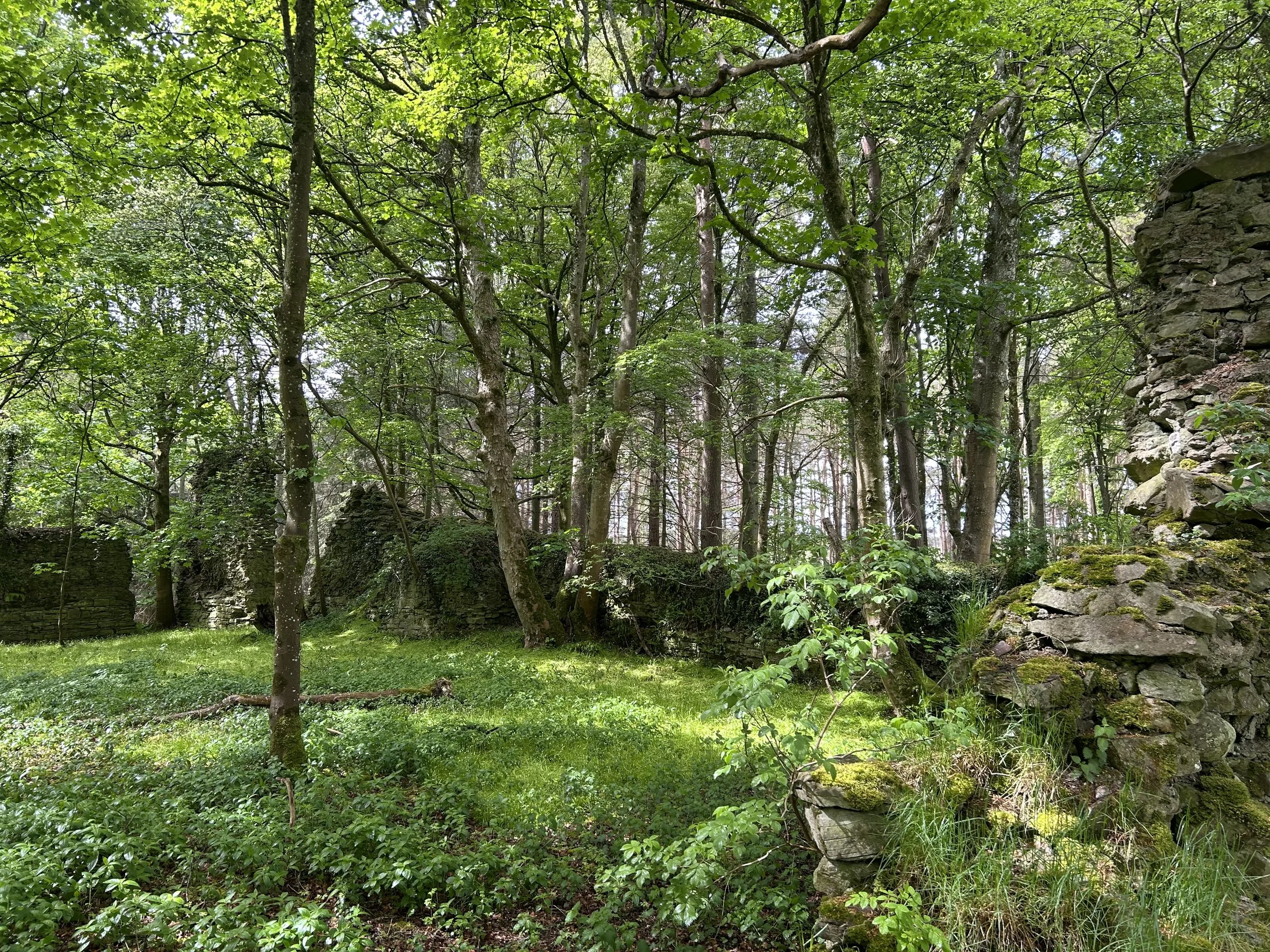
The Romantic Ruins of Kinclaven Castle
An early worshipper at Nature's shrine,
I loved her rudest scenes
Beachy Head, Charlotte Smith (346-7).
The Romantic poets often sought escape within the natural world. In an industrial age of overcrowded cities, polluted grey skies, and machines replacing men, nature provided a sense of consistency amid an ever-changing industrial landscape.
Poets did tours to escape the cities and reconnect with nature, as their ancestors had in a simpler time. Nature was a secluded space of peace where contemplation would arise, encouraging enlightened thoughts and ideas.
Many longed for a return to an older time; before technology overtook their world. When an agricultural lifestyle was the only option. They admired Romantic portrayals of “savage peoples” - the Highlanders of Scotland, the Gaels in Ireland, the Celtic Welshman. These were lost peoples, who may have been “uncivilised” in the 18th and 19th century sense of the word, but who had been free from the burden of modernity. Their connection to nature had kept their minds innocent and untouched.
On these wanderings within nature, the Romantics would stumble upon ruinous buildings, left to decay over the years. They found meaning from these ancient structures that had once been grand images of power and strength, now decaying under mossy trees and wildflowers. They served as unsubtle reminders of the imminent passage of time, that nature withstands where humanity cannot.
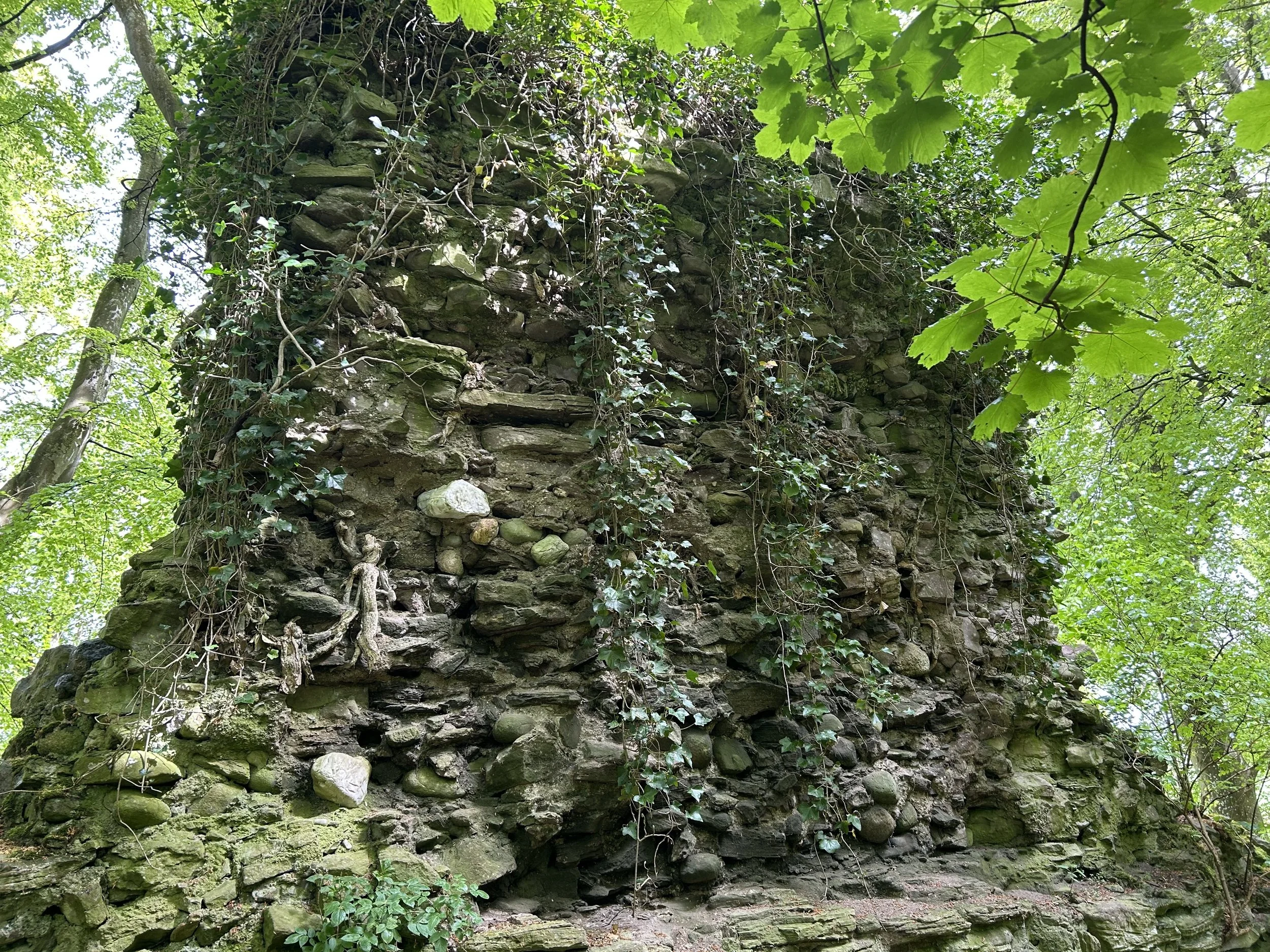
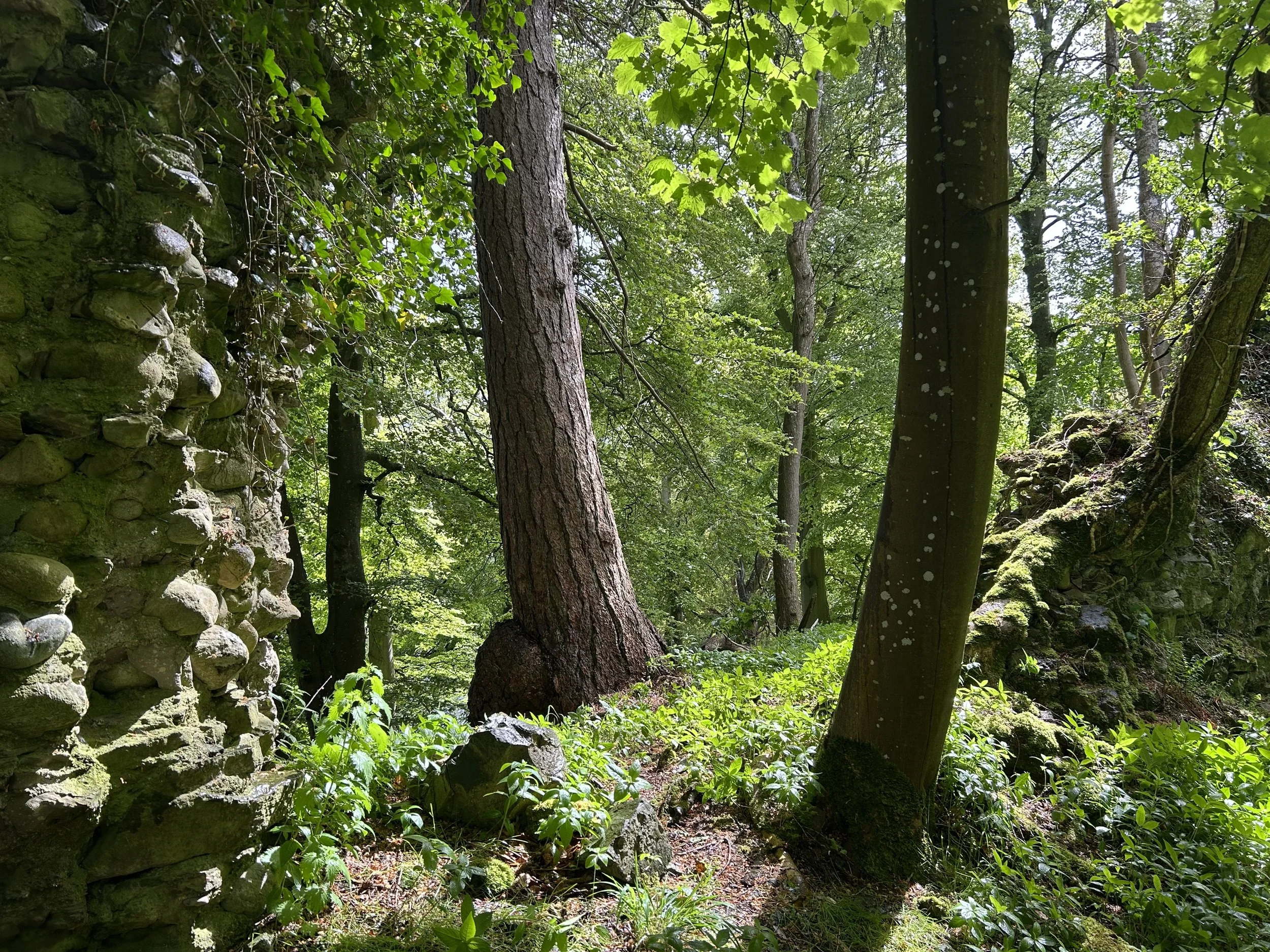
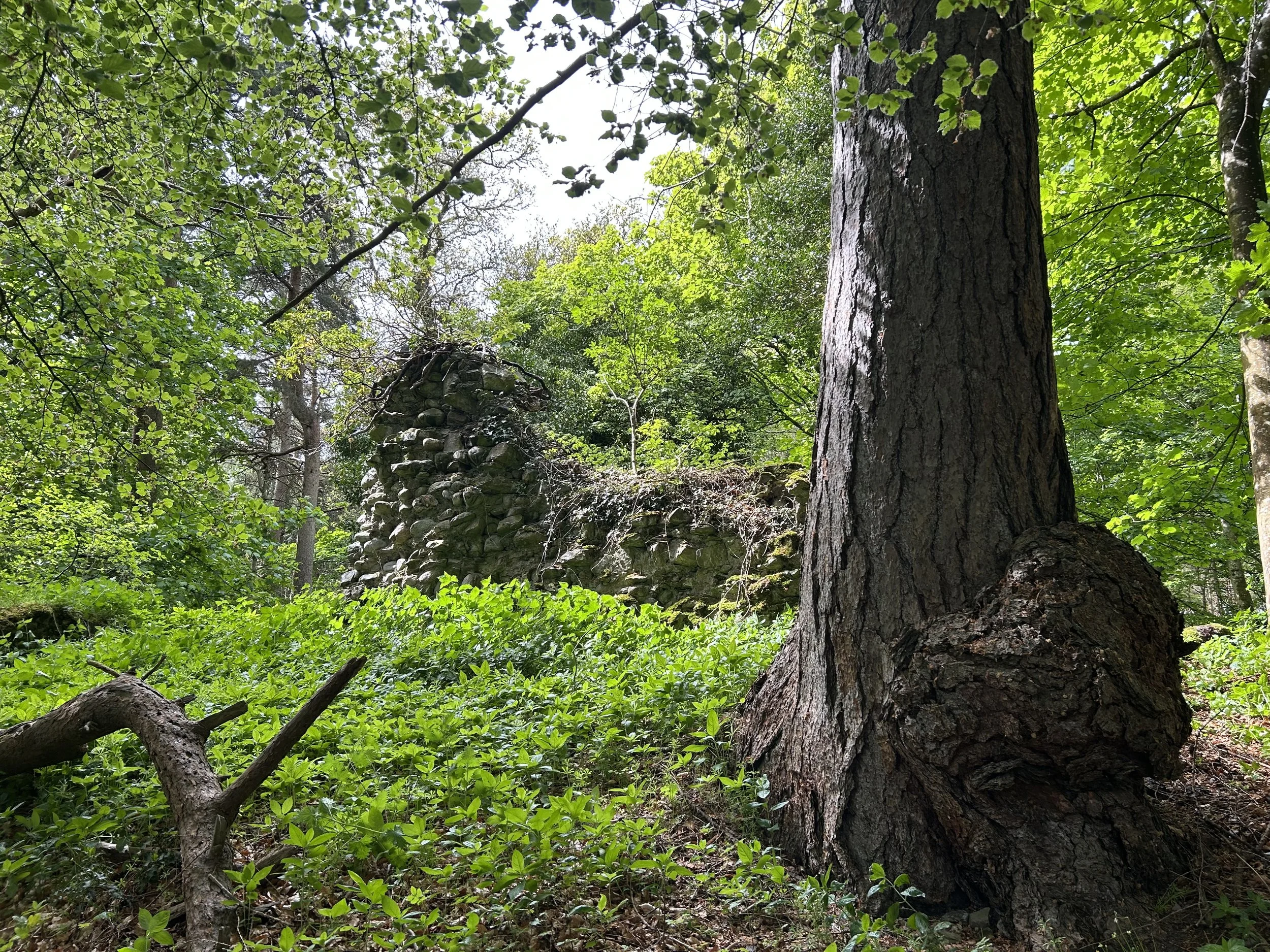
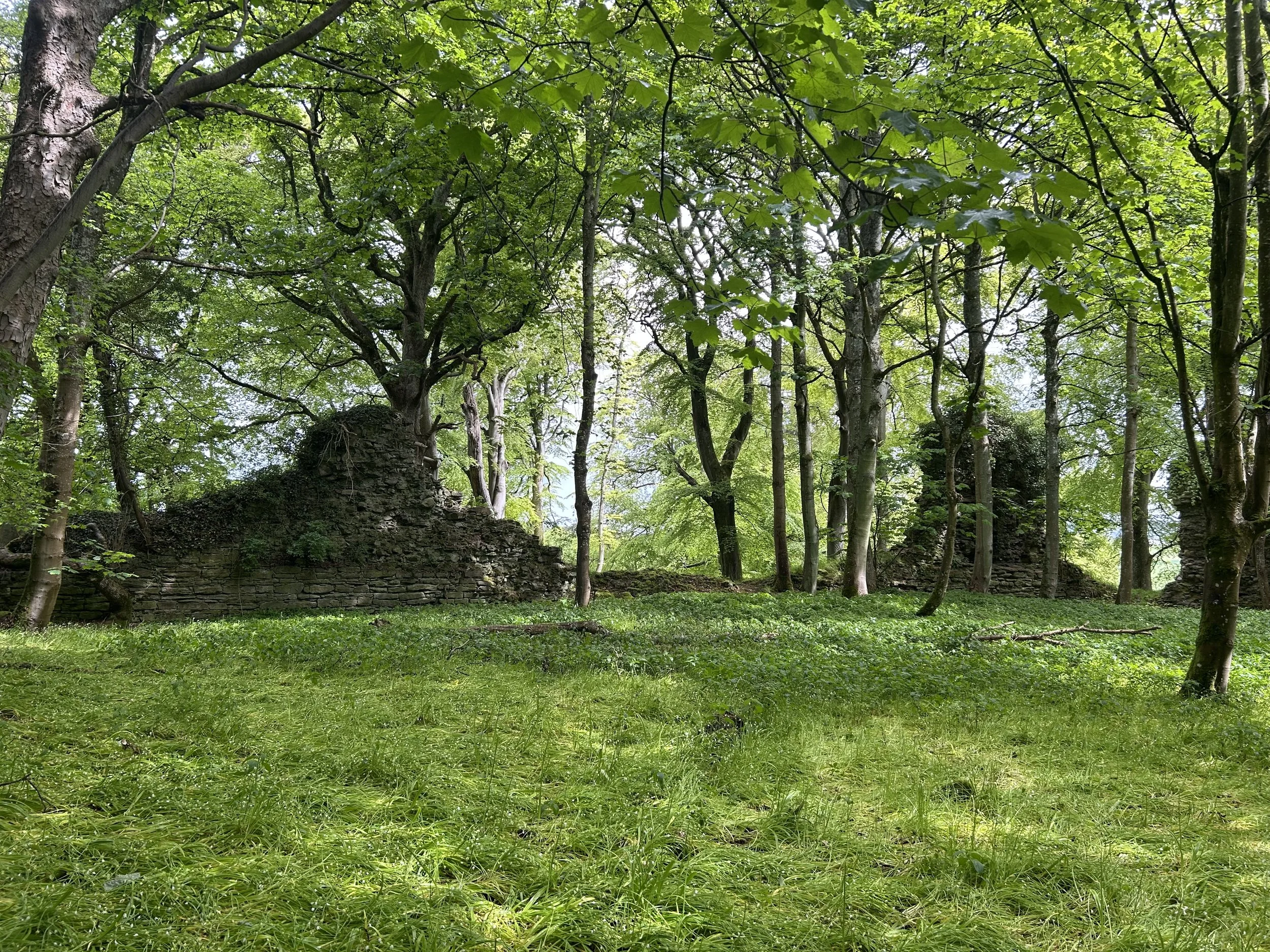
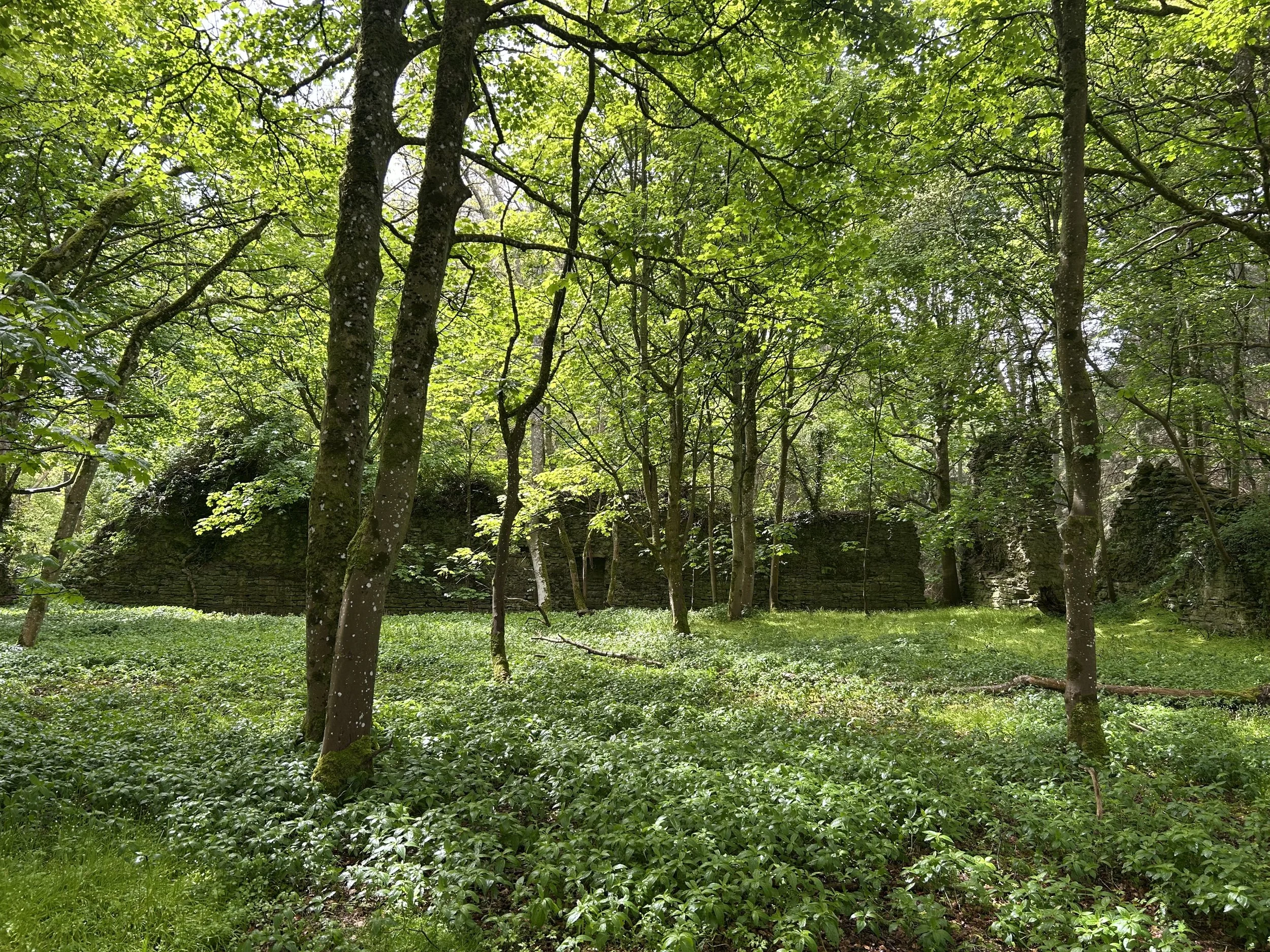
Kinclaven Castle is an example of a ruin that has been consumed by the natural world. Time has left it in a ruinous condition, with only crumbling bricks, initials etched onto stones, and the ghostly presence of former inhabitants as reminders of its ancient past. The castle witnessed renowned Scottish warriors like William Wallace, and the armies of legendary English kings like Edward I during its prime. It saw centuries of life and death, from its beginnings as a ferry crossing guard in the 11th century, through its role in the Wars of Scottish Independence, to its gradual deterioration into the ruinous state that exists today.
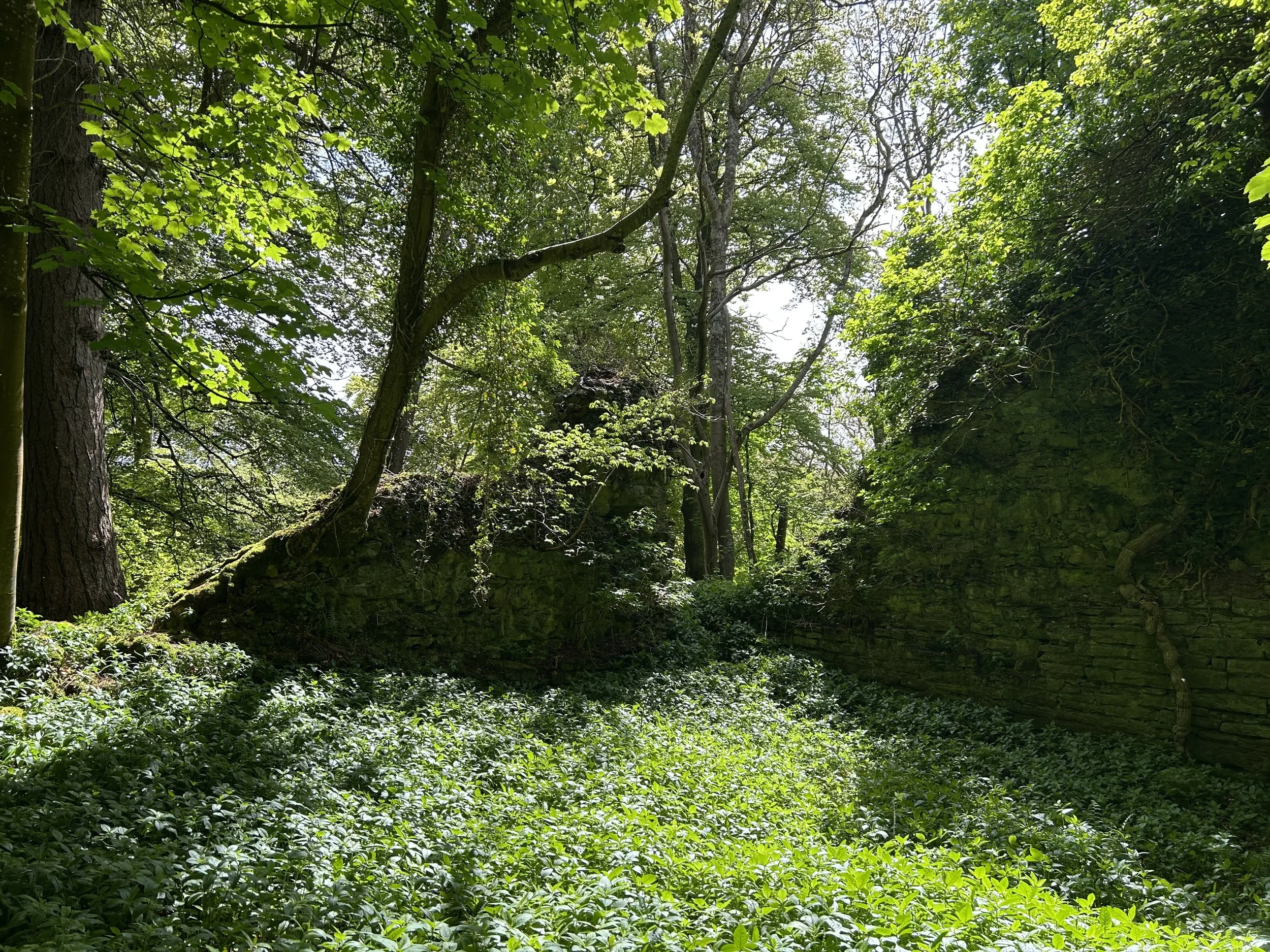
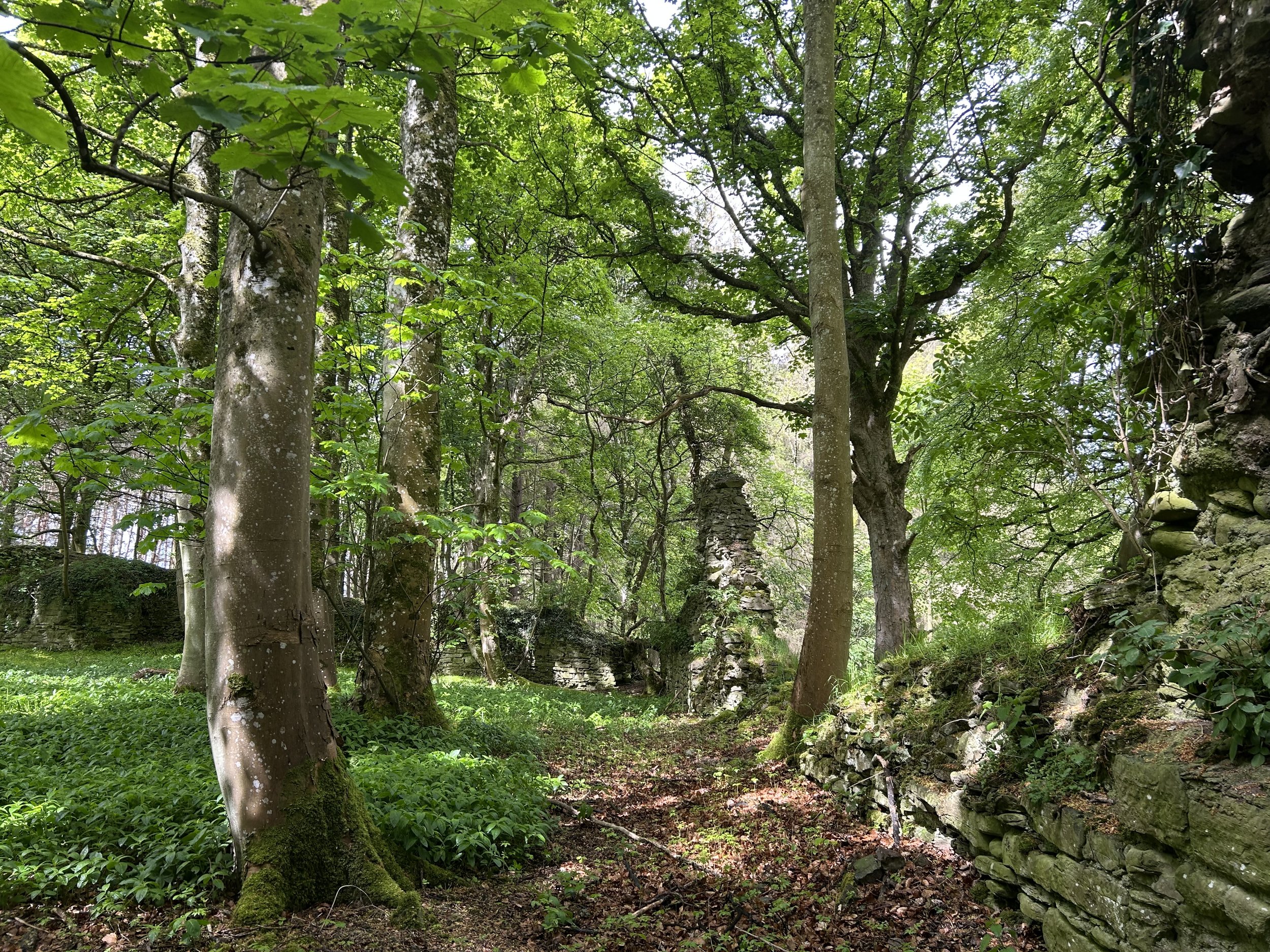
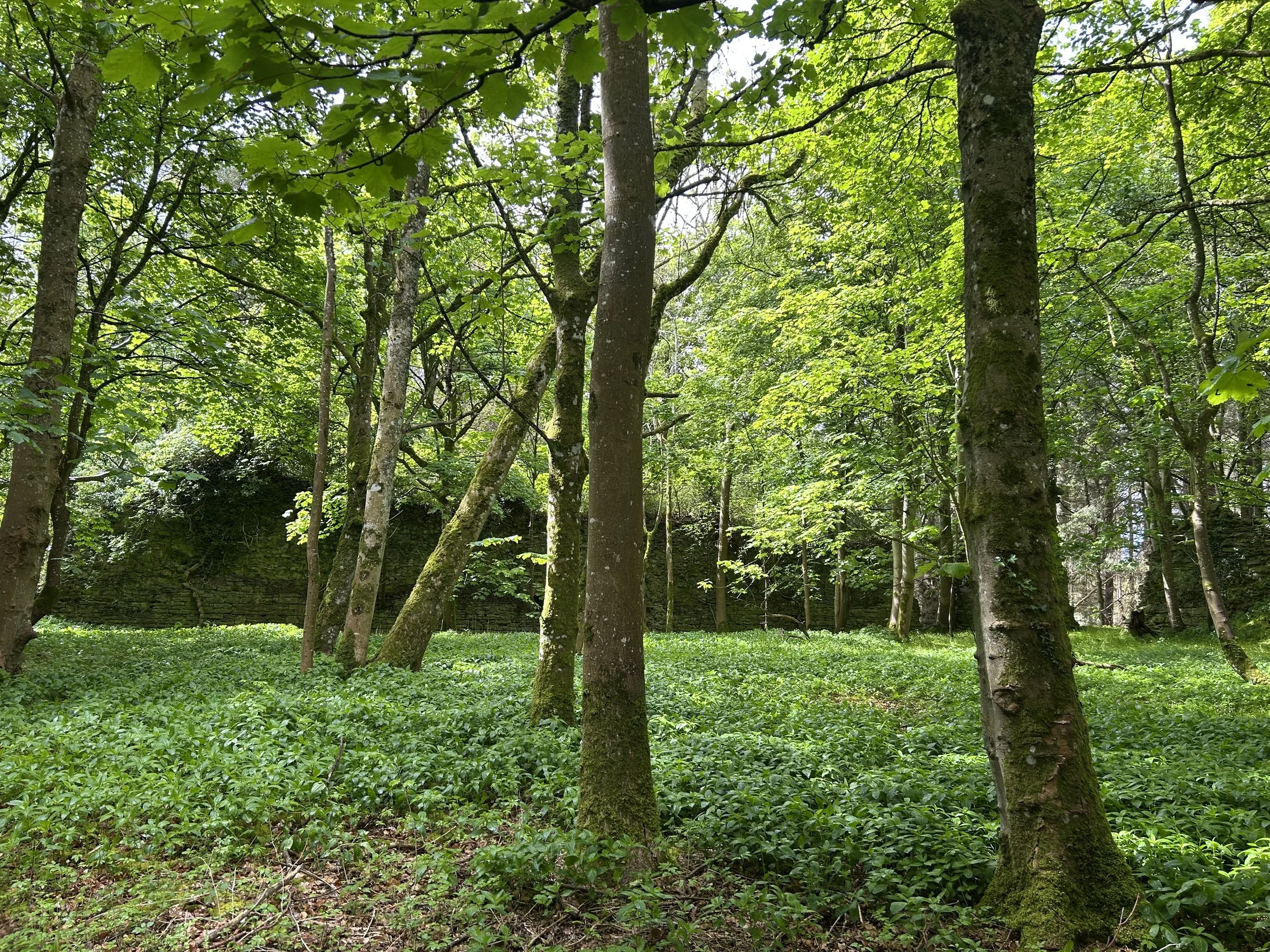
Hidden in the hills behind a wall of trees, it is an uneasy castle to access for the average pedestrian; one must really seek it out to find it. After trekking through the grass that follows the winding River Tay, and up the hill and through the nettles, the crumbling stones of Kinclaven Castle can be seen.
With the knowledge of the castle’s historical past, the impermanence of humanity can truly be appreciated at a site such as this. Human ambition ruled that hill for centuries, and nature has reclaimed its rule for centuries more. The crumbling stone has succumbed to the elements; it now shares its space with trees that whistle in the wind, wet moss, trailing ivy, and the wonderfully overpowering smell of wild garlic.
The historical memory remains as nature persists, the two working in harmony to transform the ruin into its new state.